Where physical therapy ends, D2M begins.
Clinical Pilates programming for clients recovering from surgery, injury, and chronic pain — built by a certified Post-Rehabilitation Specialist with the credentials to match.
Start Your Recovery →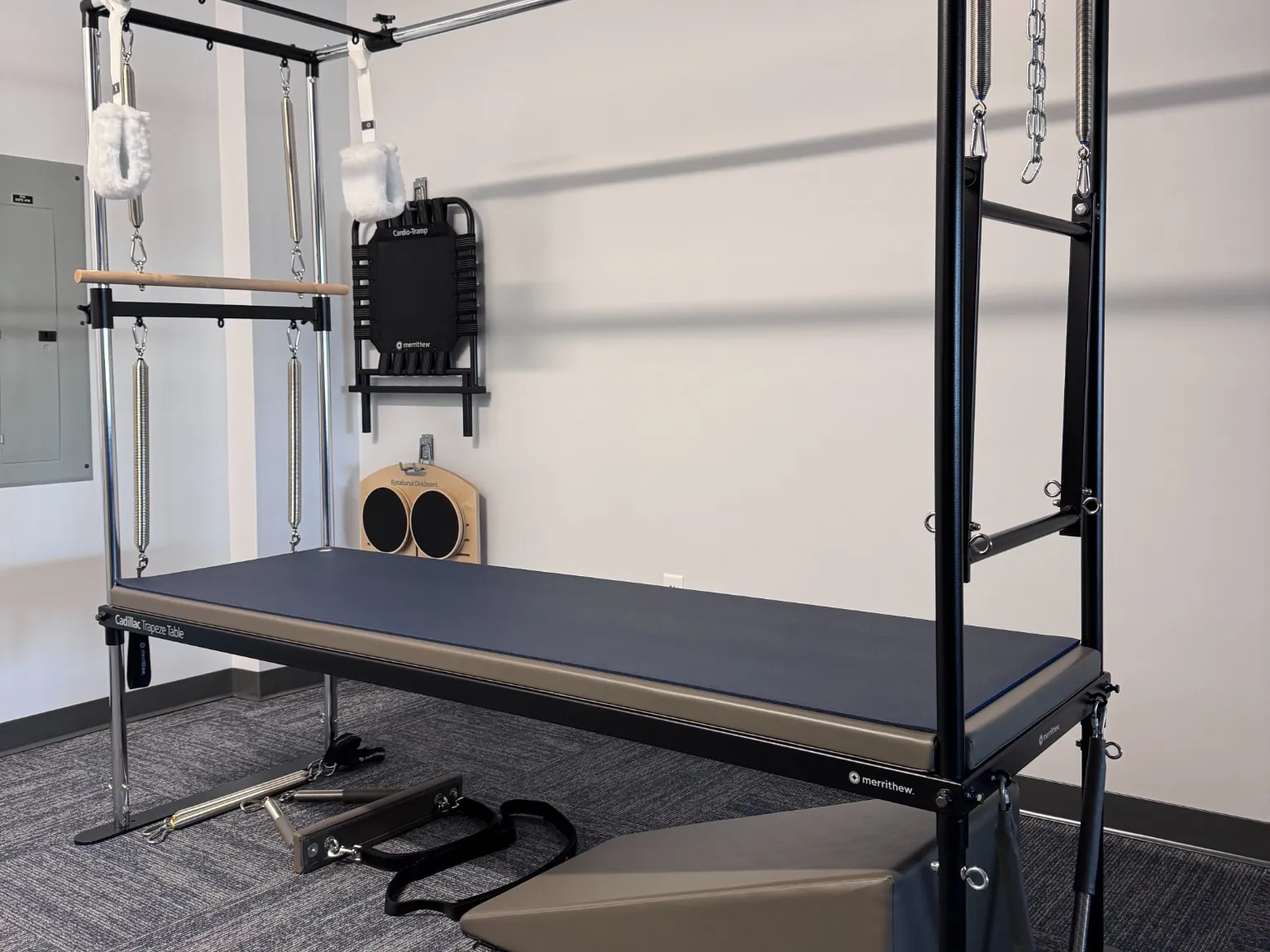
Physical therapy discharges you. We take it from there.
Physical therapy is designed to restore basic function — to get you out of acute pain, restore initial range of motion, and clear you to return to normal activity. But “cleared for activity” is not the same as restored to full strength, resilience, and movement quality.
The gap between PT discharge and genuine functional recovery is where most clients plateau. Compensatory movement patterns set in. Scar tissue stiffens. Asymmetries become habitual. Confidence in the affected area remains low. This is precisely the gap that post-rehabilitation Pilates at D2M is designed to close.
Using the STOTT PILATES® Post-Rehabilitation framework, Devi works with clients to rebuild neuromuscular control, restore fascial continuity, correct compensation patterns, and systematically return the body to full strength — in a supported, evidence-based, and individually programmed environment.
Post-rehabilitation programming for your specific situation
Joint replacement recovery
Hip, knee, and shoulder replacement clients require careful, progressive loading that respects surgical restrictions while rebuilding strength, proprioception, and functional movement patterns.
Back and neck conditions
Herniated discs, spinal stenosis, spondylolisthesis, post-fusion recovery, and chronic low back pain — addressed through neutral spine alignment, deep stabilizer activation, and controlled progressive loading.
Ligament and soft tissue repair
ACL, rotator cuff, labral tears, and tendon repairs require precise return-to-function programming that restores not just strength but neuromuscular timing and kinetic chain integrity.
Neurological and balance conditions
Stroke recovery, multiple sclerosis, Parkinson’s, and vestibular disorders benefit from Pilates programming that challenges proprioception, coordination, and postural control in a controlled environment.
Fibromyalgia and chronic pain syndromes
Movement-based approaches to fibromyalgia, chronic fatigue syndrome, and persistent pain require careful load management, nervous system awareness, and a practitioner who understands pain science.
Scoliosis and postural dysfunction
Structural and functional scoliosis, kyphosis, and postural imbalances are addressed through asymmetric programming that targets the specific three-dimensional compensation each client presents.
Deep dives for your condition
Every condition has specific movement demands, clinical considerations, and Pilates interventions that directly address it. Explore the dedicated programming page for your situation.
Pilates for Back Pain
Herniated discs, spinal stenosis, sciatica, post-fusion recovery, spondylolisthesis, and chronic low back pain — neutral spine mechanics and deep stabilizer reactivation.
Explore back pain programming → OrthopedicPilates After Joint Replacement
Hip, knee, and shoulder replacement recovery — bridging PT discharge to full strength, symmetrical gait mechanics, and the movement confidence your replaced joint demands.
Explore joint replacement programming → Chronic PainPilates for Chronic Pain
Fibromyalgia, chronic fatigue syndrome, CRPS, myofascial pain, and post-viral fatigue — graded movement exposure and evidence-based pain science application.
Explore chronic pain programming → Sports InjuryPilates After Sports Injury
ACL reconstruction, rotator cuff repair, labral tears, and tendon injuries — restoring full kinetic chain function, not just the ability to pass a clinical discharge test.
Explore sports injury programming → CervicalPilates for Neck Pain
Cervical disc herniation, forward head posture, cervicogenic headache, whiplash recovery, and chronic neck pain — addressing the full kinetic chain, not just the cervical symptom.
Explore neck pain programming → HipPilates for Hip Pain
Femoroacetabular impingement, labral tears, greater trochanteric bursitis, hip flexor strain, and hip osteoarthritis — deep hip stabilizer activation and movement pattern correction.
Explore hip pain programming → ArthritisPilates for Arthritis
Osteoarthritis, rheumatoid arthritis, and inflammatory joint conditions — low-impact, joint-friendly programming that builds muscular support and restores movement confidence.
Explore arthritis programming → Bone HealthPilates for Osteoporosis
Evidence-based weight-bearing programming that stimulates bone density, builds fall-prevention strength, and follows the specific movement guidelines that osteoporosis requires.
Explore osteoporosis programming → SpinalPilates for Scoliosis
Structural and functional scoliosis — asymmetric programming designed around your specific curve pattern, addressing the three-dimensional deformity that standard programs miss.
Explore scoliosis programming → NeurologicalPilates for Neurological Conditions
Stroke recovery, MS, Parkinson’s disease, vestibular disorders, and balance impairment — challenging and rebuilding the nervous system safely through precision movement.
Explore neurological programming →How post-rehabilitation programming works at D2M
Movement and postural assessment
Every post-rehabilitation client begins with a thorough assessment of posture, movement quality, range of motion, and compensatory patterns. This is a clinical evaluation that informs every programming decision from session one.
Individualized program design
Based on your assessment, Devi designs a program that addresses your specific deficits, works within your surgical or medical restrictions, and maps a progressive path toward your return-to-function goals.
Apparatus and exercise selection
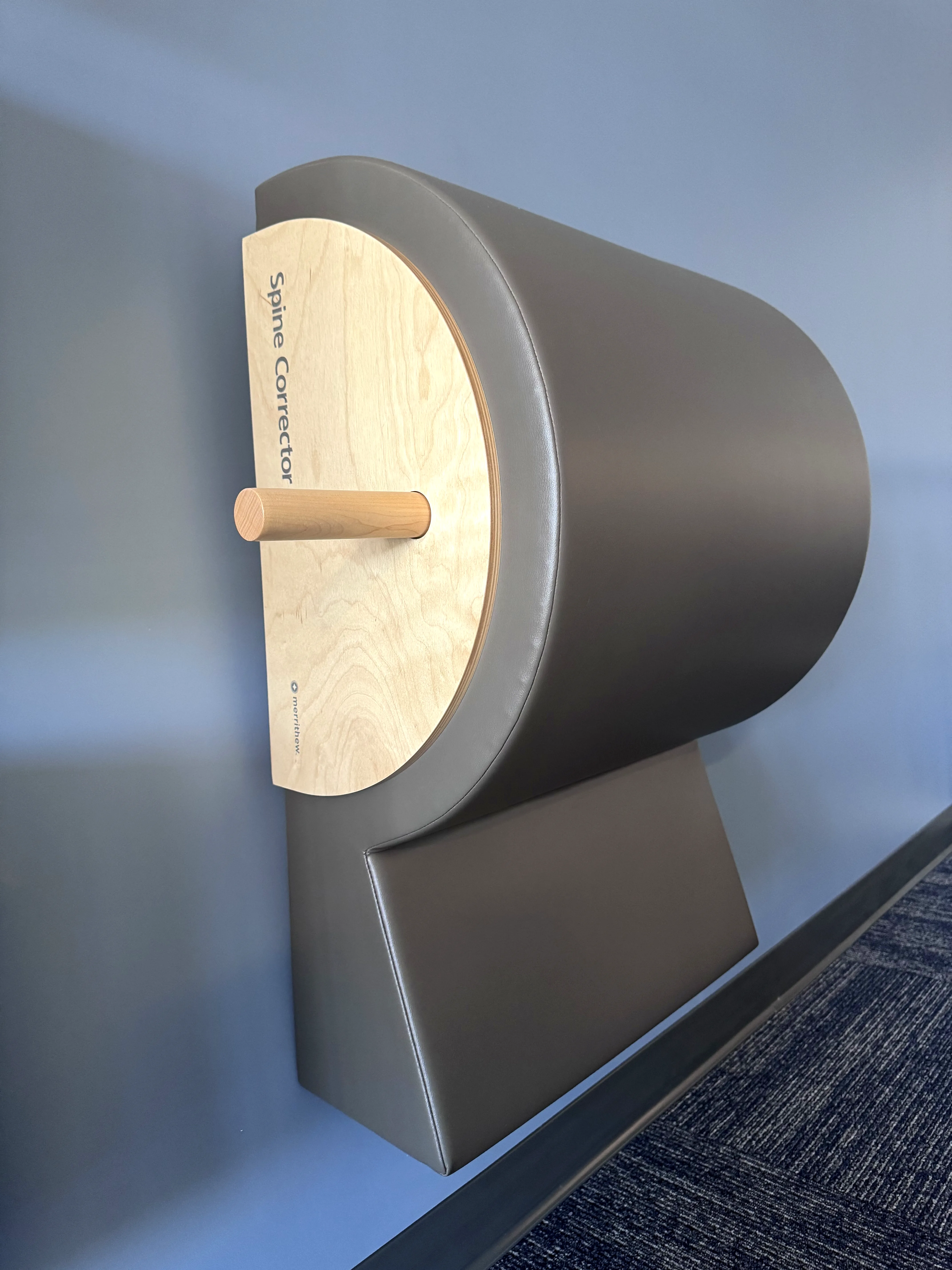
The STOTT PILATES® apparatus suite provides unparalleled control over load, range, and body position — creating exercise environments that challenge recovery appropriately without overloading healing tissues.
Progressive loading and complexity
Recovery is not linear, and your program evolves with you. As your strength, stability, and movement quality improve, your programming advances accordingly — never static, never generic.
Coordination with your healthcare team
D2M works alongside your physician, surgeon, or physical therapist when appropriate. We are happy to communicate directly with your healthcare providers and respect all medical guidelines and restrictions throughout your program.
Post-rehabilitation FAQ
When can I start post-rehabilitation Pilates after surgery?
Timing depends on your specific surgery, your surgeon’s protocol, and your healing progress. Many clients begin within 6–12 weeks post-surgery with physician clearance. We recommend coordinating with your surgical team, and D2M is happy to communicate directly with your healthcare providers.
Is post-rehabilitation Pilates the same as physical therapy?
No — they are complementary but distinct disciplines. Physical therapy focuses on acute recovery and restoring basic function. Post-rehabilitation Pilates picks up where PT ends, restoring full strength, movement quality, and kinetic chain integrity through progressive, individualized programming.
Do I need a physician referral or clearance?
A formal referral is not required to book sessions at D2M. However, for post-surgical clients we strongly recommend obtaining physician clearance before beginning. We take your medical history seriously and design all programming within safe, appropriate parameters.
Can post-rehabilitation Pilates help with chronic pain?
Yes. Evidence-based movement programming has a strong record in chronic pain management. Pilates addresses not just muscular strength but neuromuscular control, postural alignment, breathing mechanics, and fascial continuity — all of which contribute to pain reduction and improved quality of life in chronic pain populations.
Can I do Pilates alongside my physical therapy?
Yes — and this combination is often highly effective. PT manages the acute phase and provides medical oversight while Pilates addresses broader movement quality, kinetic chain function, and the structural foundation that accelerates PT progress. D2M coordinates with your PT when appropriate.
What if my condition is not listed on this page?
Contact D2M directly to discuss your situation. The post-rehabilitation specialization covers a wide range of conditions beyond those listed here. If your condition requires clinical expertise that falls outside our scope, we will tell you honestly and help you find the right resource.
Your body has more capacity to heal than you know.
Let’s build a program around where you are right now — and a clear path to where you want to be. Contact D2M to discuss your situation before booking if you’d like.