Movement built for
the life you are living now.
Clinical Pilates programming for every life stage — building balance, strength, and movement confidence for seniors, and supporting pregnancy and recovery before and after birth.
Book Your Session →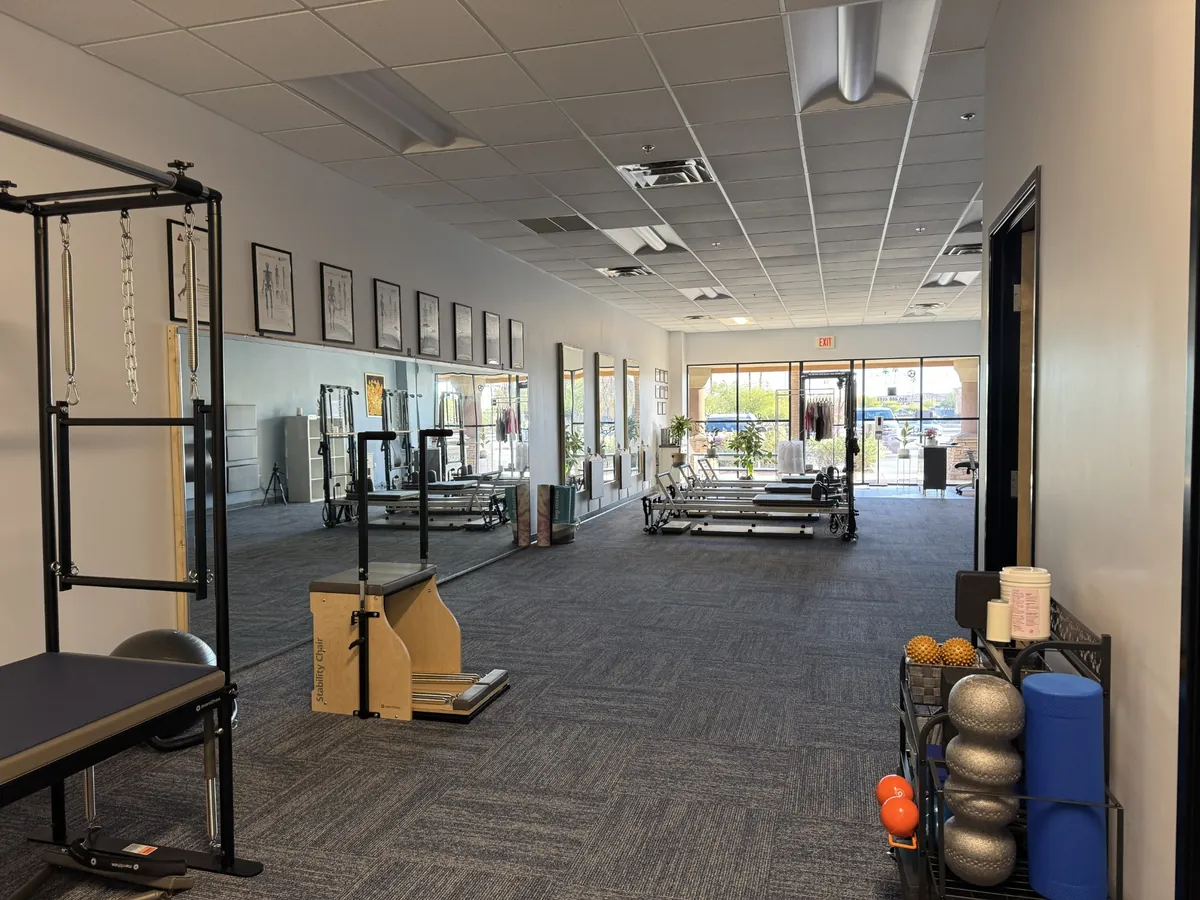
Your body changes throughout life.
Your Pilates should too.
The physical demands of aging, pregnancy, and the postpartum period are among the most significant transitions the human body experiences. Each one brings specific challenges, specific risks, and specific opportunities — and each one requires a Pilates program built around where that body actually is, not a generic sequence designed for the average healthy adult.
At D2M, life stage programming means genuine individualization. Senior clients receive programming that addresses the specific movement challenges of aging — balance, bone density, fall prevention, and the maintenance of independence that makes life worth living. Prenatal and postnatal clients receive programming built around their trimester, birth experience, and recovery stage.
In every case, programming follows evidence-based clinical guidelines, respects the specific contraindications of each life stage, and is delivered with the depth of understanding that only comes from a Post-Rehabilitation Specialist credential and real clinical experience.
The body at every stage has specific needs
Aging and movement
Reduced bone density, declining muscle mass, decreased proprioception, and restricted range of motion are not inevitable — they are largely the product of reduced movement, and they respond remarkably well to the right exercise.
Fall prevention
Falls are the leading cause of injury-related death in adults over 65. Pilates systematically rebuilds the proprioception, reaction time, and postural control that prevent falls — the single most important health outcome for many seniors.
Bone density and strength
Weight-bearing Pilates is evidence-supported for bone density maintenance and improvement in osteoporosis — providing the mechanical stimulus bone needs without the impact that puts osteoporotic bones at risk.
Pregnancy and the body
Postural changes, ligament laxity, pelvic floor loading, and diastasis recti risk all demand specific programming. The right movement program during pregnancy supports these changes, manages discomfort, and prepares the body for labour.
Postpartum recovery
The pelvic floor, deep abdominal wall, and postural muscles require specific, progressive rehabilitation after birth. Generic fitness programs in the early postpartum period can worsen diastasis and delay full recovery.
Clinical contraindications
Every life stage has specific contraindications — forward flexion in osteoporosis, supine positions past 16 weeks in pregnancy, hip precautions after joint replacement. D2M knows them all and programs accordingly.
Clinical Pilates for every life stage
Individual assessment at every stage
Every D2M client — regardless of life stage — begins with a thorough health and movement assessment. Medical history, movement limitations, balance capacity, and personal goals are all considered before a single exercise is selected.
Evidence-based programming guidelines
D2M senior and prenatal/postnatal programming follows the most current evidence-based exercise guidelines for each population — not general Pilates sequences that happen to be offered to these clients.
Healthcare coordination available
D2M is happy to coordinate with your obstetrician, pelvic floor physiotherapist, GP, or specialist throughout your program — ensuring programming remains safe and appropriate as your situation evolves.
Small class sizes — always
Reformer classes: maximum 3 clients. Mat classes: maximum 5. These limits are not a scheduling choice — they are what makes genuine individual attention and life stage-specific cueing possible in every session.
Progressive and continuously adapted
Life stages evolve. Trimesters change. Postpartum recovery progresses. Seniors improve or encounter new challenges. D2M programming is continuously adapted to where you actually are — not where you were six weeks ago.
Full apparatus suite access
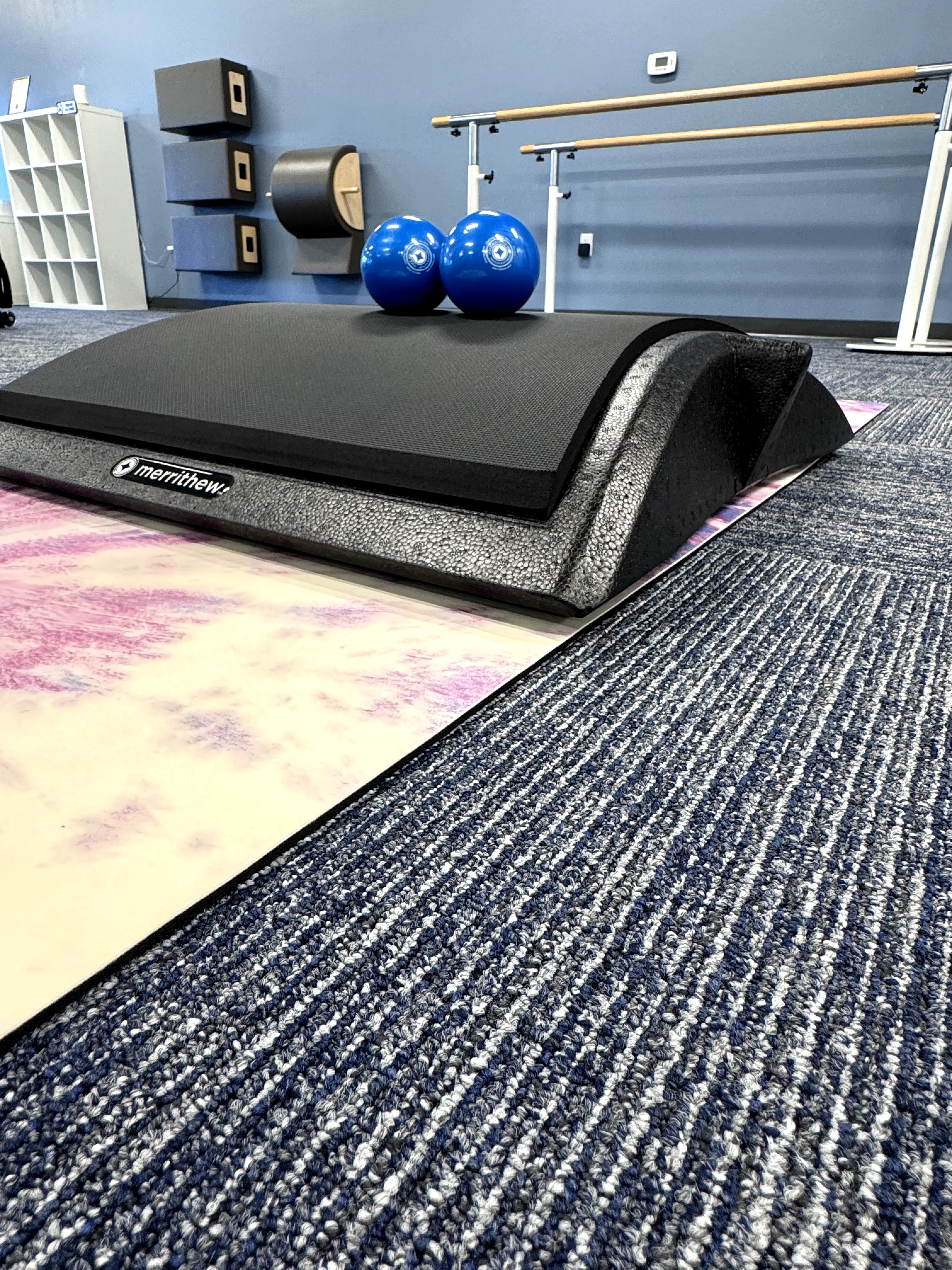
The Cadillac, Reformer, Wunda Chair, Spine Corrector, and Arc Barrel allow precise load management that mat exercises alone cannot provide — essential for life stage clients whose safety margins require exact control.
Dedicated programming for your stage of life
Explore the dedicated programming page for your life stage — with full detail on what D2M addresses, how programming is structured, and what clinical evidence supports it.
Pilates for Seniors
Clinical Pilates programming designed for mature adults — improving balance, building bone density, reducing fall risk, and preserving the movement quality that makes independent, active living possible.
- Balance and fall prevention — the highest-return health outcome for seniors
- Bone density maintenance and improvement for osteoporosis and osteopenia
- Sarcopenia reversal through progressive resistance programming
- Postural correction and thoracic extension work
- Joint mobility maintenance for arthritis and age-related stiffness
- Cognitive benefits and social engagement through small group formats
Pilates for Pregnancy & Postpartum
Safe, evidence-based prenatal and postnatal Pilates — supporting a healthy pregnancy with appropriate movement, and rebuilding core strength, pelvic floor function, and full physical capacity after birth.
- Trimester-specific programming following prenatal exercise guidelines
- Pelvic floor preparation and strengthening throughout pregnancy
- Postural support for the changing demands of each trimester
- Early postpartum deep stabilizer reactivation and pelvic floor reconnection
- Diastasis recti recovery — evidence-based programming to restore linea alba integrity
- Progressive return to full fitness on an individually appropriate timeline
Healthy aging & life stages FAQ
Is Pilates safe for seniors who have never exercised?
Yes. D2M senior programming is low-impact, joint-friendly, and individually calibrated. It meets you exactly where you are and progresses at your pace. Many D2M senior clients began Pilates in their 60s, 70s, and beyond with no prior experience — and found it the most beneficial exercise of their lives.
Is Pilates safe during pregnancy?
Yes — with appropriate modifications and a qualified instructor. STOTT PILATES® prenatal programming has specific guidelines for each trimester, including supine position limits past 16 weeks, exercise intensity management, and movements to avoid. D2M programs follow all evidence-based prenatal exercise guidelines throughout every session.
When can I start Pilates after having a baby?
Most clients begin gentle postpartum Pilates at 6 weeks after vaginal birth or 8–10 weeks after cesarean section, with obstetric clearance. Early postpartum programming focuses on deep stabilizer reconnection and pelvic floor reactivation — not core loading or high-intensity exercise.
Can Pilates help with osteoporosis?
Yes. Weight-bearing Pilates exercise is evidence-supported for bone density maintenance and improvement in osteoporosis. D2M osteoporosis programming follows specific guidelines — forward spinal flexion is avoided or minimized, weight-bearing positions are prioritized, and impact is eliminated. These are significant departures from standard Pilates that require specific clinical training.
Can Pilates help diastasis recti after birth?
Yes. Correctly programmed Pilates is one of the most effective approaches to diastasis recti recovery. The key is avoiding movements that increase intra-abdominal pressure before the linea alba has sufficient integrity — something generic fitness programs routinely miss. D2M addresses this from the first postpartum session.
Do you offer group classes for seniors?
Yes. D2M group Reformer classes are capped at 3 clients and mat classes at 5 — small enough that every participant receives individual attention and cuing throughout. Many seniors find the social element of group classes an important part of their weekly routine alongside the physical benefits.
Movement designed for where you are right now.
Book a session at D2M and begin with a full assessment tailored to your life stage. We will build a program designed specifically for your body, your goals, and your stage of life.