Strong through
pregnancy.
Restored after.
Safe, evidence-based prenatal and postnatal Pilates — supporting a healthy pregnancy with appropriate movement, and rebuilding core strength, pelvic floor function, and full physical capacity after birth.
Book a Session →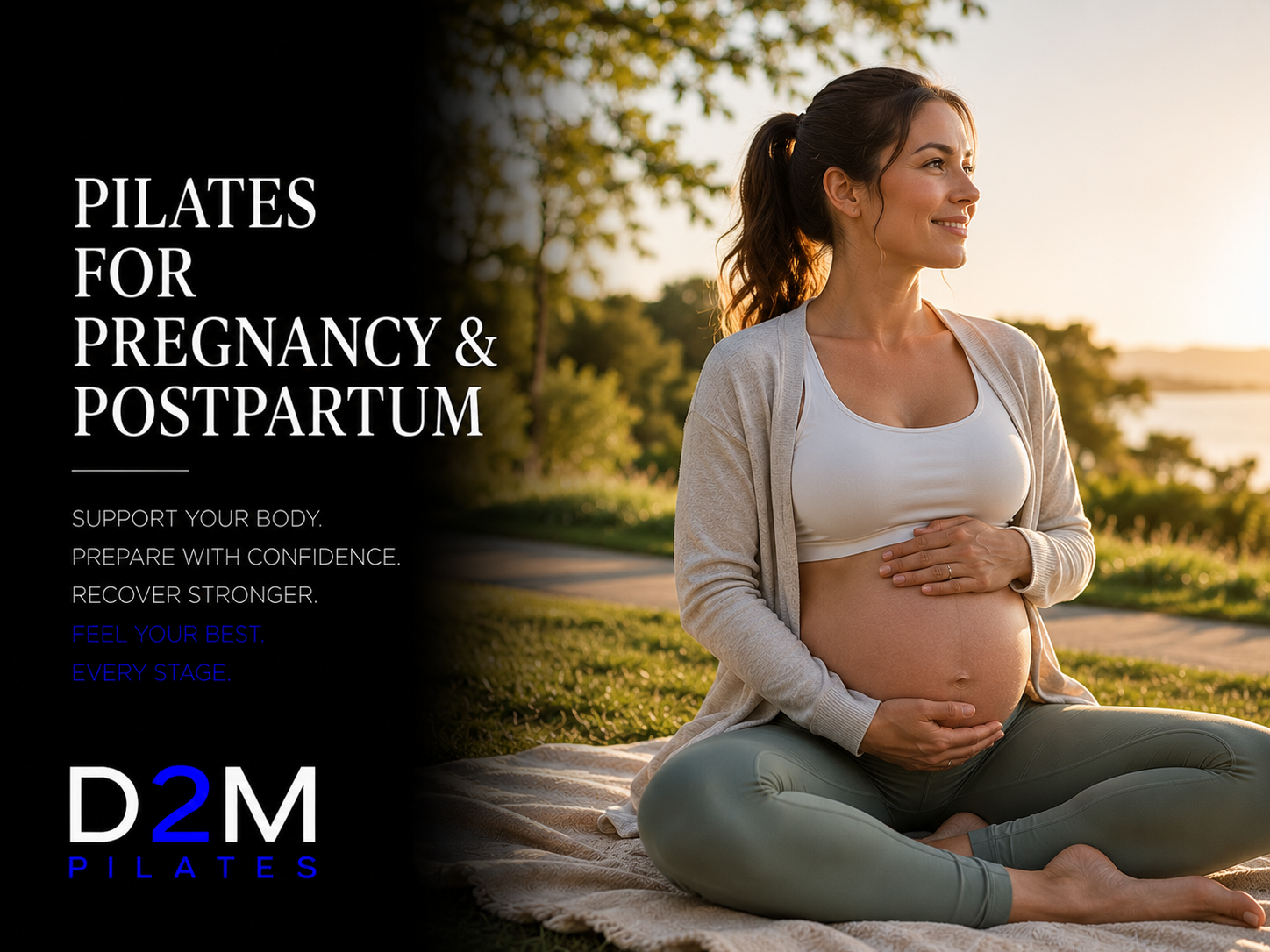
Your body was designed to do this.
Let's support it properly.
Pregnancy places extraordinary demands on the body — postural changes, ligament laxity, diastasis recti risk, pelvic floor loading, and the structural adaptations that grow a human being. The right movement program during pregnancy supports these changes, manages the discomforts, and prepares the body for labour and recovery.
After birth, the return to movement is not simply a matter of time passing. The pelvic floor, deep abdominal wall, and postural muscles require specific, progressive rehabilitation — especially if diastasis recti (abdominal separation) has occurred. Generic fitness programs in the early postpartum period can worsen diastasis and delay full recovery.
At D2M, prenatal and postnatal clients receive individualized programs built around their trimester, birth experience, and recovery stage. All programming coordinates with obstetric and pelvic floor physiotherapy guidelines, and we are happy to work alongside your healthcare team throughout.
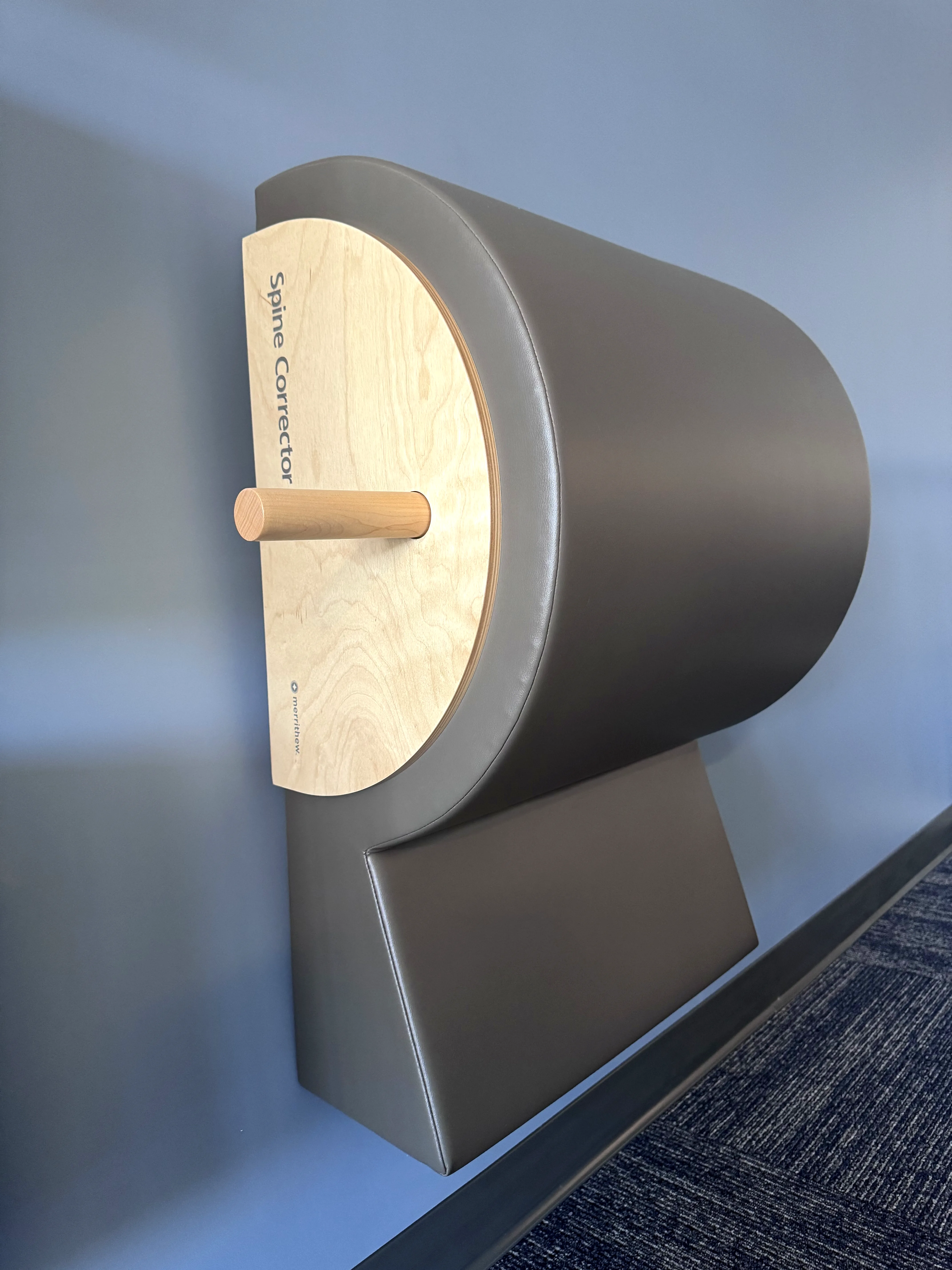
Prenatal and postnatal Pilates programming
First Trimester
Foundational deep stabilizer work, postural preparation, and movement education before the significant postural and hormonal changes of the second trimester.
Second & Third Trimester
Modified programming that accommodates the growing belly, avoids supine positions past 16 weeks, supports the pelvic floor under increasing load, and manages common pregnancy discomforts.
Early Postpartum Recovery
Gentle deep stabilizer reactivation, diaphragmatic breathing, and pelvic floor reconnection programming — appropriate from 6 weeks post-vaginal birth or 8–10 weeks post-cesarean with clearance.
Diastasis Recti Recovery
Individualized programming to close abdominal separation — avoiding the movements that worsen it, building the deep abdominal support that allows the linea alba to heal and strengthen.
Return to Full Activity
Progressive return to full fitness after birth — rebuilding core strength, restoring movement quality, and returning to sport and exercise on an individually appropriate timeline.
Pelvic Floor Rehabilitation
Pilates pelvic floor programming addresses both weakness and overactivity — in coordination with pelvic floor physiotherapy when appropriate.
What prenatal and postnatal Pilates delivers
Pain management during pregnancy
Pelvic girdle pain, low back pain, and round ligament discomfort are common in pregnancy. Pilates core and pelvic support work significantly reduces these discomforts throughout the trimesters.
Pelvic floor preparation
Building appropriate pelvic floor strength and coordination during pregnancy prepares the body for the demands of labour and reduces the risk of postpartum pelvic floor dysfunction.
Postural support
The postural changes of pregnancy — anterior pelvic tilt, thoracic kyphosis, forward head position — are all addressable through Pilates, reducing strain and improving comfort.
Faster postpartum recovery
Women who maintain appropriate exercise during pregnancy and begin evidence-based postpartum rehabilitation consistently recover faster and more completely than those who do not.
Diastasis recti resolution
Correctly programmed Pilates is one of the most effective approaches to diastasis recti recovery — building the deep support that allows the linea alba to heal and strengthen.
Return to full fitness
The goal of postpartum Pilates is not just recovery to pre-pregnancy fitness — it is building a stronger, more resilient body than before, with the deep foundation a new chapter of life demands.
Pregnancy & postpartum Pilates FAQ
Is Pilates safe during pregnancy?
Yes — with appropriate modifications and a qualified instructor. STOTT PILATES prenatal programming has specific guidelines for each trimester, including supine position limits past 16 weeks, exercise intensity management, and movements to avoid. D2M programs follow all evidence-based prenatal exercise guidelines throughout.
When can I start postpartum Pilates?
Most clients begin gentle postpartum Pilates at 6 weeks after vaginal birth or 8–10 weeks after cesarean section, with obstetric clearance. Early postpartum programming focuses on deep stabilizer reconnection and pelvic floor reactivation rather than loading or core exercises.
Can Pilates fix diastasis recti?
Correctly programmed Pilates is one of the most effective approaches to diastasis recti recovery. The key is avoiding movements that increase intra-abdominal pressure before the linea alba has sufficient integrity — something generic fitness programs routinely miss and that D2M programs address from the first session.
Do I need to have been doing Pilates before pregnancy to start now?
No. Many clients begin Pilates during pregnancy with no prior experience. Prenatal programming meets you exactly where you are and progresses appropriately throughout your pregnancy.
Can I do Pilates right up until birth?
Many clients continue modified Pilates programming right through the third trimester. Programming is continuously adapted as the pregnancy progresses — changing positions, reducing intensity, and prioritizing pelvic floor support and postural comfort as delivery approaches.
How is Pilates different from a prenatal yoga class?
Prenatal yoga focuses primarily on flexibility, breathing, and relaxation. Prenatal Pilates builds deep stabilizer strength, pelvic floor control, postural muscle endurance, and the structural support the pregnant body needs. They are complementary, but Pilates addresses the structural preparation for labour and postpartum recovery more directly.
Your body deserves expert movement support — before and after birth.
Book a session at D2M and begin with a full assessment tailored to your trimester or postpartum stage. We will build a program that supports you through every step of the journey.